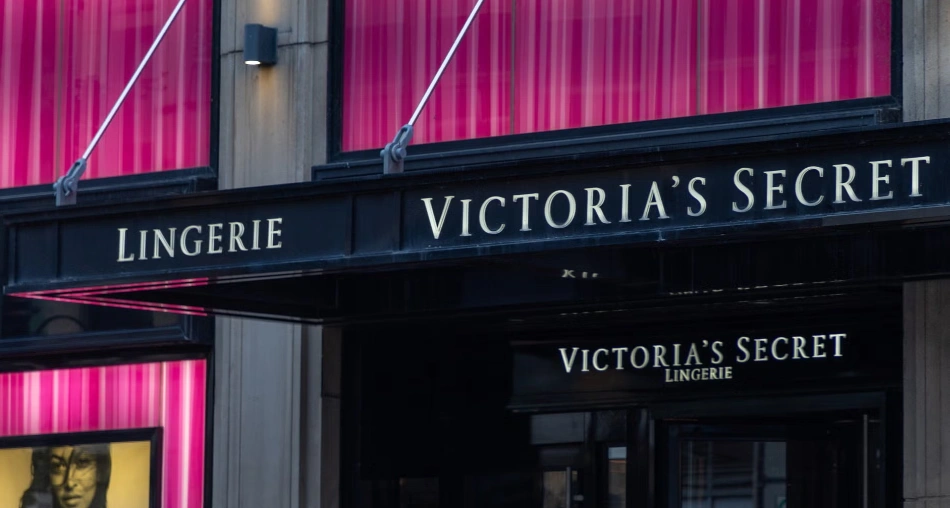
A storefront is the most public part of a business, and in Quebec it is also one of the first things an OQLF inspector or complainant can see. Public signage accounted for 16 percent of the complaints received by the Office québécois de la langue française in 2025-2026. It is also one of the areas where the changes that took effect on June 1, 2025 are easiest to see in practice.
For businesses with an English trademark, franchise name or bilingual storefront, the central question is now straightforward: does French have a markedly greater visual impact than the other language?
In many cases, that means applying what is commonly described as the 2:1 rule for Quebec signage.
This article explains how Bill 96 affects public signs and commercial advertising in Quebec, what “markedly predominant” French means, how the rule applies to English trademarks and enterprise names, and how businesses can bring an existing storefront into compliance without necessarily replacing the entire sign.
Quebec Signage Rules Under Bill 96: What Changed on June 1, 2025
The Charter of the French language has required public signs, posters and commercial advertising to be in French since 1977. Since 1993, another language may also appear, provided French is markedly predominant.
That principle is not new. It continues to govern public signage and commercial advertising containing text in French and another language.
What changed in 2025 was particularly important for trademarks and enterprise names. Until then, a recognized trademark in another language could appear on a storefront largely on its own, provided there was a “sufficient presence of French.” Introduced in 2016, that requirement could often be satisfied by adding a French slogan, generic descriptor or other French wording somewhere on the storefront.
Since June 1, 2025, the standard is stricter. When a trademark or enterprise name in another language appears on a sign visible from outside the premises, it must be accompanied by French wording that ensures the marked predominance of French. The OQLF’s official rules for trademarks and business names in public signage explain the principle and the types of French wording that can be used, including a generic term, descriptive wording or a slogan.
What Does “Markedly Predominant” French Mean on a Quebec Sign?
French is markedly predominant when it has a much greater visual impact than the text appearing in another language. For most fixed signage, this is assessed according to three elements: space, legibility and permanence. Within the same visual field, the space occupied by the French text must generally be at least twice as large as the space occupied by the text in the other language. The French must also have visibility, legibility and permanence at least equivalent to the other-language text.
This is where the often-mentioned 2:1 signage rule in Quebec comes from. The relevant requirements are set out in the Quebec Regulation respecting the language of commerce and business, including the provisions governing the marked predominance of French. The rule is not simply about making a French line twice the font size. The overall visual impact matters. A small French descriptor underneath a large illuminated English trademark will not necessarily satisfy the requirement simply because the French exists. Likewise, French lettering that is difficult to read from the sidewalk while the English brand is visible from across the street can create a compliance problem.
What Is the “Same Visual Field” for Bill 96 Signage?
The concept of the same visual field matters because the French wording does not necessarily have to appear immediately beside the English trademark. The visual field is essentially what a person can see and read at the same time without having to move. On a typical storefront, the fascia, front window and entrance door can therefore form part of the same visual field. French can be distributed across that area.
For example, an English trademark may appear on the fascia, while a French business descriptor appears beneath it and an additional French slogan appears on the window. What matters is the combined visual impact. If the non-French trademark and enterprise name occupy a certain amount of space, the French elements in the same visual field must collectively provide the required predominance. This gives businesses more flexibility than simply doubling the size of a descriptor underneath the brand name.
Which Signs Are Considered Visible From Outside the Premises?
The June 2025 rules are particularly important for signs that can be seen from outside a business premises. That includes obvious examples such as exterior fascia signs and storefront lettering, but the definition is broader. It can include window graphics, signs placed inside a shop but facing the street, signs visible from a shopping mall concourse, pylons and certain other freestanding structures.
A menu board positioned inside a restaurant window can therefore constitute public signage if people outside the premises can read it. The same logic applies to promotional posters placed behind a shop window. Inside premises, different exceptions may continue to apply to trademarks.
Once the signage is visible from outside, however, the new requirements concerning French predominance become particularly important.
English Trademarks on Quebec Storefronts

One of the most common situations involves a business with an English trademark displayed prominently on the fascia. Consider a store whose registered brand name appears in English and nothing else appears on the storefront. Since June 1, 2025, that arrangement may no longer be sufficient where the sign is visible from outside. The most common solution is to retain the trademark and add French wording that describes the nature of the business.
- A clothing retailer might add “Vêtements”
- A coffee shop might use “Café”
- A hardware retailer could add “Quincaillerie”
The trademark itself does not necessarily need to be translated.
Instead, the French generic term, descriptor or slogan accompanying it must make French markedly predominant in the overall visual field. Where a single descriptor would need to become disproportionately large to reach the required visual impact, businesses can often use additional French wording elsewhere on the storefront. A French slogan on the window, for example, can form part of the calculation when it is in the same visual field and meets the required standards of visibility and permanence.
Bilingual Business Names and Enterprise Names in Quebec
Enterprise names raise a related issue. A business operating in Quebec must comply with the rules governing the French version of its enterprise name. Where both a French name and a version in another language are displayed, French must be markedly predominant. Businesses should therefore not assume that displaying both versions at the same size automatically satisfies the requirement. Equal prominence is not marked predominance.
This is particularly relevant to Canadian and international companies that use standardized corporate signage across several provinces. A sign designed for Toronto, Vancouver or Calgary cannot automatically be installed unchanged at a Quebec location.
Window Promotions, Sale Signs and Temporary Advertising
Bill 96 signage requirements are not limited to permanent exterior signs. Temporary promotions and window advertising are also subject to Quebec’s language rules.
A sign saying “50% OFF” in large lettering with “50 % DE RABAIS” underneath in substantially smaller text gets the visual hierarchy backwards. French must be markedly predominant. The same principle applies to seasonal campaigns, clearance posters, promotional window graphics and other temporary commercial advertising. A promotion lasting only a few days does not receive an exemption simply because it is temporary.
Menus, Price Lists and Product Displays Visible From Outside
Restaurants, cafés and retailers should pay particular attention to materials placed near windows. A menu displayed inside a restaurant but clearly readable from the sidewalk can constitute public signage. The same applies to price boards, promotional displays and information panels positioned to face customers outside the premises. Moving a sign a few centimetres behind the glass does not necessarily turn it into purely internal signage. The practical question is whether it can be seen and read from outside.
Bill 96 Signage Rules for Franchises in Quebec
Franchises create a particular challenge because signage is often designed centrally for the entire Canadian network. A standard national signage package is not necessarily compliant in Quebec. The English trademark may be protected, but the storefront still has to meet Quebec’s requirements concerning the marked predominance of French. That can require Quebec-specific fascia layouts, French descriptors, slogans or window graphics.
Responsibility can also involve both the franchisor and the franchisee depending on the circumstances. Our guide to Bill 96 and franchises looks more closely at how Quebec’s language requirements affect franchise systems.
Vehicle Wraps, Uniforms and Trade Show Signage
The rules are not confined to buildings. Commercial messages displayed on company vehicles, uniforms, exhibition booths and similar media may constitute commercial advertising. A vehicle wrap containing an English trademark and additional promotional wording therefore needs to be reviewed as advertising rather than treated simply as a mobile version of a storefront sign. For businesses operating fleets in Quebec, this can be particularly important because vehicle graphics are often produced nationally and reused across several provinces. Trade show materials create a similar issue. Booth signage, banners and promotional displays intended for the Quebec market should be reviewed before an event rather than adapted at the last minute.
Digital Signage and Screens Under Bill 96
Digital screens visible from outside premises are also signs. The analysis becomes slightly different when languages alternate rather than appearing simultaneously. For dynamic signage where French and another language appear in succession, the amount of time allocated to each language becomes relevant.
Under Quebec’s rules, French must have a much greater visual impact. In alternating digital displays, that can mean French appearing for at least twice as long as text in the other language. A screen that alternates equally between French and English should therefore not automatically be assumed to comply.
Bill 96 Product Packaging Rules vs Signage Rules
The June 2025 changes to product packaging and public signage are often confused, but they deal with different requirements. On products, one of the major changes concerns generic and descriptive terms contained inside certain non-French trademarks. Those terms may now have to appear in French on the product. Certain products manufactured before June 1, 2025 benefit from transitional provisions extending to June 1, 2027. Public signage follows a different framework.
For signs visible from outside premises, the issue is the marked predominance of French alongside a non-French trademark or enterprise name. There is no equivalent 2027 sell-through period for an existing storefront sign. A company selling products in Quebec can therefore have two separate compliance issues: one involving its labels and packaging, and another involving the signage used to sell those products. Our guide to Bill 96 trademarks on product packaging explains the product rules separately.
How to Make an Existing Quebec Storefront Bill 96 Compliant
Replacing an entire fascia can be expensive, and in many cases it is unnecessary. The first step is to look at the storefront as a customer or inspector would see it. Photograph the premises from the sidewalk and, where relevant, from across the street. Identify the non-French trademark and enterprise-name text visible in the same visual field. Then identify the French wording already present. The question is not simply whether French appears somewhere. It is whether it has the required visual impact. If French occupies substantially less space than the English brand, determine how much additional French content is needed. That content can often be added without changing the trademark itself. Window and door graphics are usually the least disruptive option. A French generic term or descriptor can also be added to an existing fascia. Where neither solution produces a natural result, replacing or redesigning the fascia may become necessary. The wording itself deserves attention.
A retail descriptor may contain only one or two words, which leaves very little room for awkward terminology. It should sound natural to customers in Quebec rather than like a literal translation created simply to satisfy a regulation. Our guide to Quebec French versus French from France explains some of the differences businesses encounter when adapting content for Quebec. Once the wording and placement are chosen, compare the permanence and legibility of the French with the trademark. If the English brand is illuminated, the French should not disappear after dark. If the trademark uses channel lettering, a temporary French vinyl sticker may be difficult to defend as having equivalent permanence. Finally, review everything else in the visual field. Opening hours, promotional messages, recruitment notices, slogans and other English-only wording may raise separate issues even when the trademark itself has been handled correctly. Keep photographs, artwork and measurements once the work is complete. That documentation can be useful if the business later needs to demonstrate how its signage was brought into compliance.
OQLF Enforcement of Bill 96 Signage Rules
The OQLF receives complaints relating to commercial signage and can also inspect businesses. A storefront is particularly exposed because compliance can often be assessed before an inspector even enters the premises. Where the OQLF identifies a problem, the business may receive a notice requiring corrective action.
Businesses that fail to comply can face the penalties provided under the Charter of the French language. For legal persons, fines can reach thousands of dollars per offence and increase for subsequent offences. Our Bill 96 fines and penalties page explains the penalty framework in more detail. Businesses that want to understand the wider inspection process can also consult our practical guide to preparing for an OQLF inspection.
Bill 96 Signage FAQ
Our Brand Name Is a Made-Up English Word. Do We Still Need French?
If the trademark or enterprise name is displayed on a sign visible from outside the premises, the fact that the word is invented does not by itself remove the signage requirement. A French generic term, descriptor or slogan is often used alongside the trademark to establish the required predominance of French.
Can the French Be on the Window Instead of the Main Fascia?
Potentially, yes. The French wording can form part of the same visual field even if it is not physically attached to the same sign. It still needs to satisfy the applicable requirements concerning space, visibility, legibility and permanence. This is why a professionally produced window graphic may work, while a small temporary sticker underneath a large illuminated trademark may not.
Can English and French Be the Same Size on a Quebec Sign?
For signage subject to the marked-predominance rule, equal prominence is generally not enough. The point of the rule is that French should have a substantially greater visual impact. The regulation uses the two-to-one space standard as one of the key measures for determining that predominance.
Does Bill 96 Apply to Signs Inside a Shopping Mall?
A storefront facing a shopping mall concourse can be considered visible from outside the business premises. The fact that the store itself is inside a mall does not automatically make the sign internal signage.
What About a Pylon Sign Controlled by the Landlord?
Lease arrangements can determine who pays for changes or who controls the physical sign, but they do not necessarily eliminate the language obligations attached to the business name or trademark being displayed. Businesses leasing retail space should therefore review pylon signage with the landlord rather than assuming it falls entirely outside their responsibility.
Where Signage Fits Into Bill 96 Compliance
Storefront signage is only one part of Quebec language compliance. A business reviewing its signs often finds that the same exercise needs to extend to its website, customer communications, contracts, product labels and other commercial materials. Our Bill 96 compliance checklist brings the main requirements together in one place. For companies that need the wording itself adapted, Frenchside’s Bill 96 compliance translation service covers French descriptors, slogans, retail signage and other customer-facing content in Quebec French, with proofreading against the final artwork before production.
This article provides general information about Quebec language requirements and does not constitute legal advice. Specific signage layouts, measurements and legal interpretations should be confirmed with the OQLF or a Quebec lawyer.